
Application
RF sensing and persistent observation
A stable, quiet host for RF sensors over one location.
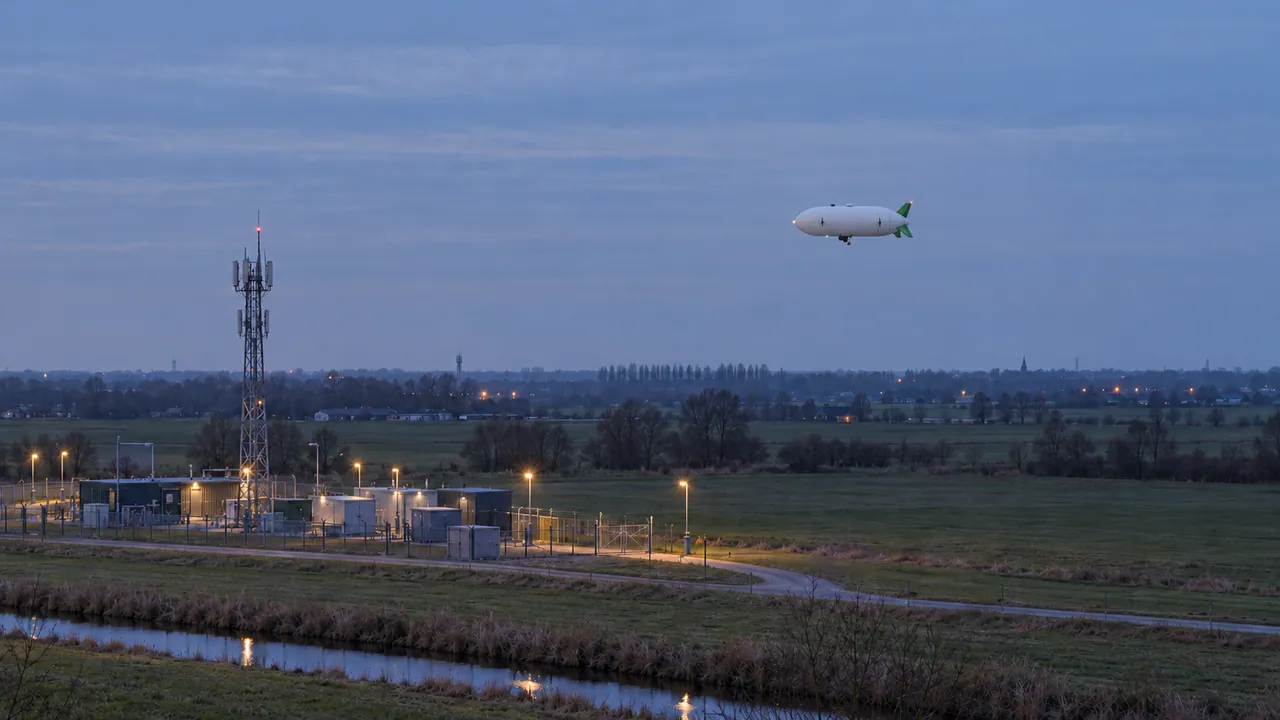 AI concept visual
The problem
RF detection networks need sensors high above the ground for many hours, with low electromagnetic and acoustic interference.
How the airship helps
Station keeping over a site for a full working day, with authenticated Galileo positioning and power for the customer payload.
Typical sensors
- RF receivers
- EO/IR camera
Mission sketch
- Time on station
- 8+ h
- Positioning
- Galileo OSNMA
Mission figures are design specifications.
Compared
Airship, drone, helicopter or satellite?
Each row shows the strongest option for that task. We also show where another platform is the better choice.
Where the airship wins for rf sensing and persistent observation
- Hours over one location
- Low acoustic and electrical interference
- Steady height for line of sight
| Task | Aerostatix | Drone | Helicopter | Satellite |
|---|---|---|---|---|
| Hours over one location | 8+ h on stationBest | 45 min per battery | about 2 h, crewed | passes by in minutes |
| Low acoustic and electrical interference | quiet, few motors near the sensorBest | rotor and motor interference | high interference | far away |
| Steady height for line of sight | up to 120 m, held for hoursBest | up to 120 m, short | higher, costly | orbit |
| Coverage of a whole country | site by site | no | costly | national coverageBest |
Aerostatix values are design specifications. Full comparison with sources
For asset owners
Start with a pilot project on one section of your network. We fly under our own authorisation and deliver the data.
Ask about a pilot projectFor inspection companies
Add long corridors and hours on station to your service. Lease or buy the X-11, or subcontract flights to us.
Reserve interest