Build logNine load cases, 245 frames: choosing the X-11 hullRead the update
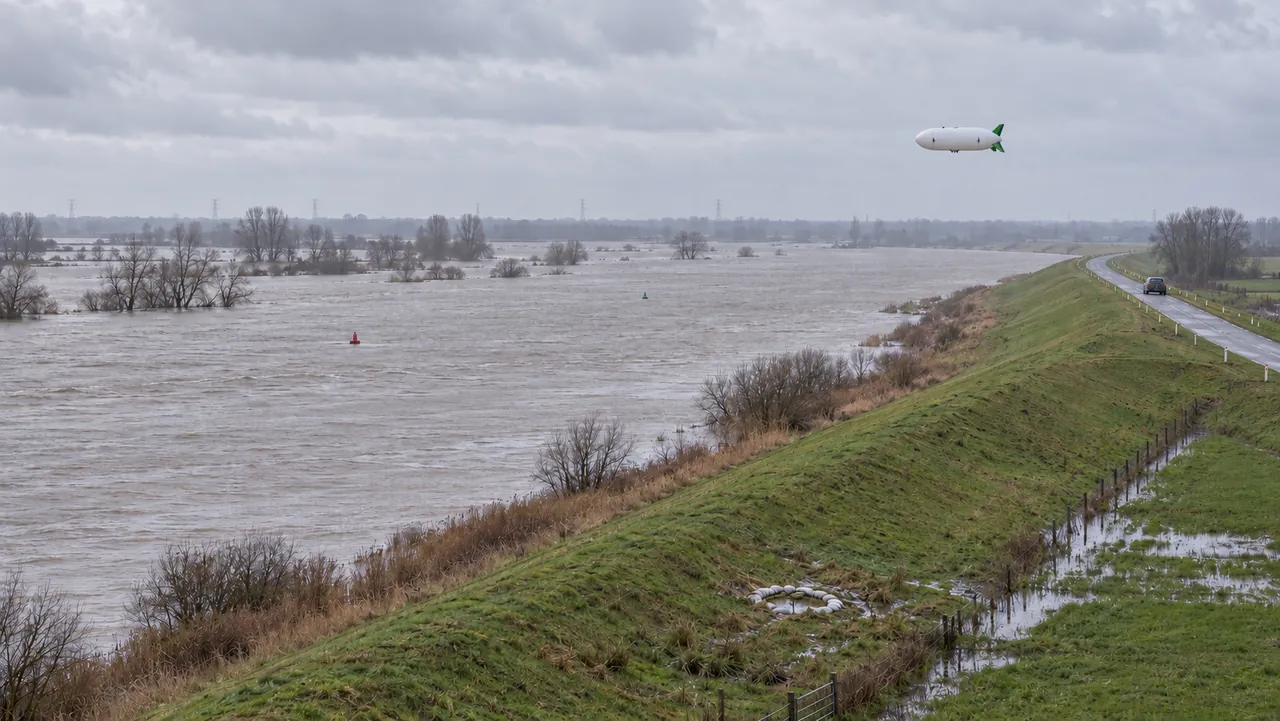
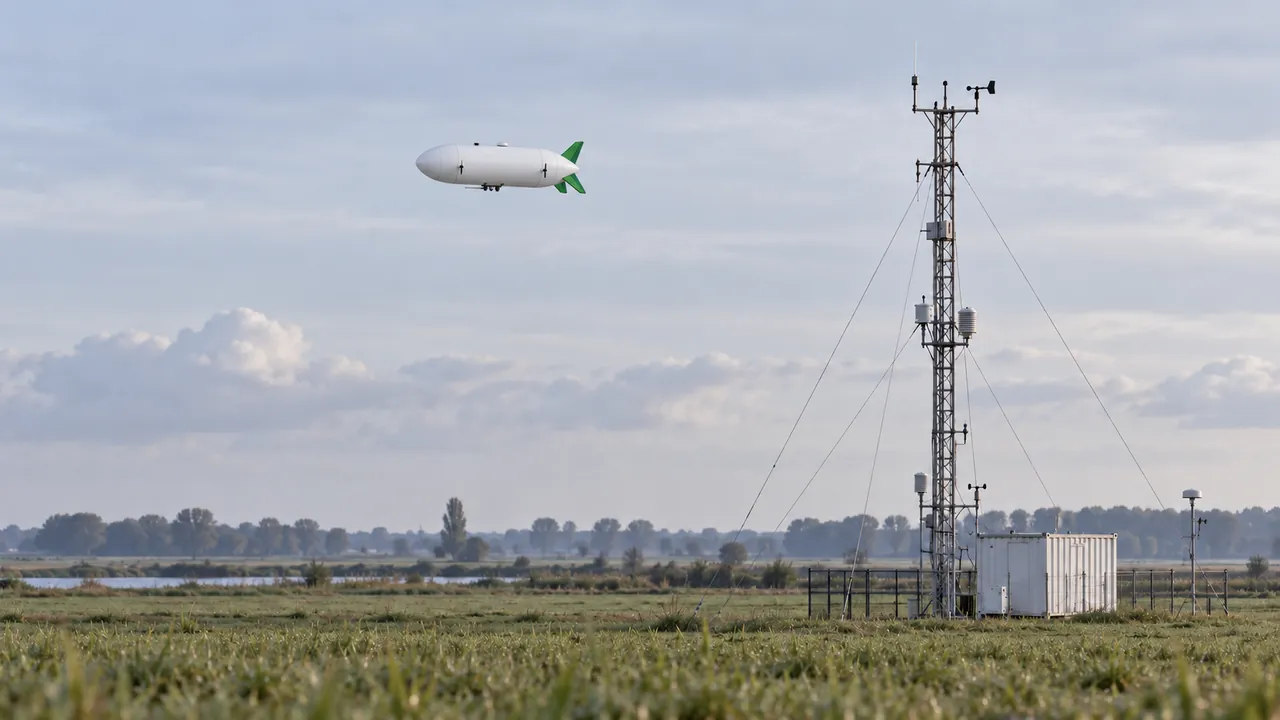
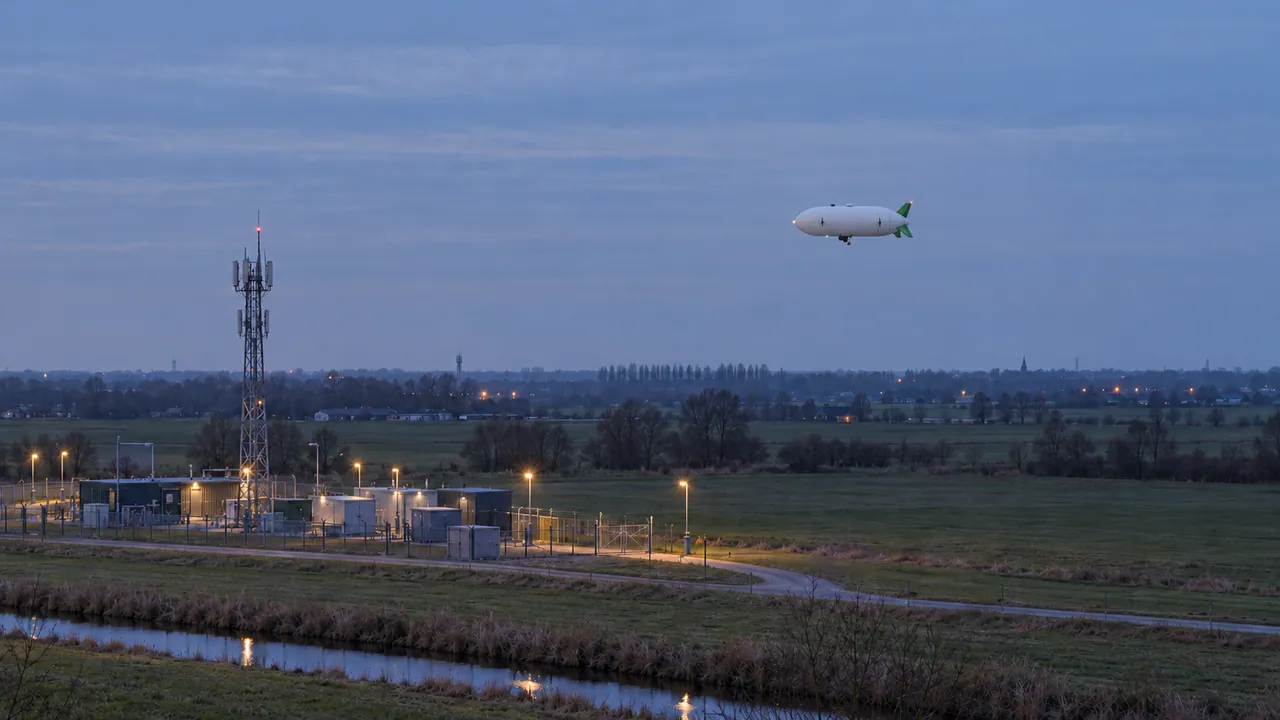
The X-11 airship holding station over a Dutch river dike, with polders and power lines in the distance AI concept visual

X-11 · 11 m · BVLOS

Never landing platform

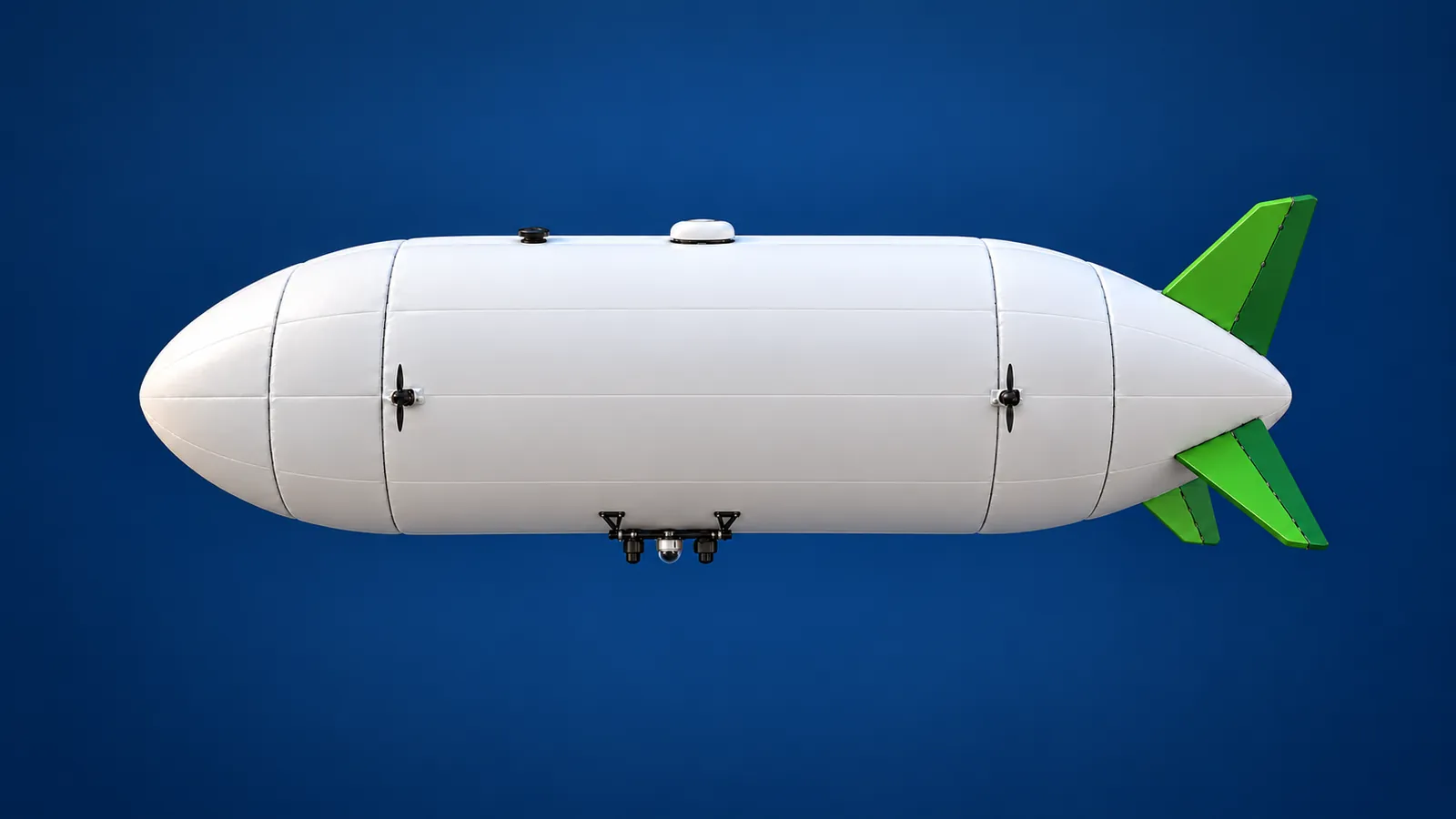
The X-11 is a rigid-frame unmanned airship designed to stay airborne for 10+ hours, linked by 5G and satellite, positioned by Galileo and flying its missions automatically.

Programme in progress
Endurance
10+h
Payload, up to
15kg
Cruise, software limit
43km/h
Radio / 5G, satellite back-up
5G+ SAT
Galileo HAS class
20cm

Design specifications of the X-11, verified step by step in our test programme.

Pillar 01

Rigid. Not a blimp.

A carbon anisogrid frame, not a soft envelope. The hull holds its shape in wind, so the sensor platform stays steady and the data stays sharp.

Pillar 02

Hydrogen. Safe by design.

Designed for the lightest lifting gas, with physical separation between gas cells and avionics. First flights use helium; hydrogen follows only with authorisation. How we approach hydrogen

Pillar 03

Endurance. Not a pass.

Hours over the corridor, not minutes. Endurance turns a single pass into continuous, comparable inspection data.

The gap

Drones land every 45 minutes. Inspection routes do not.

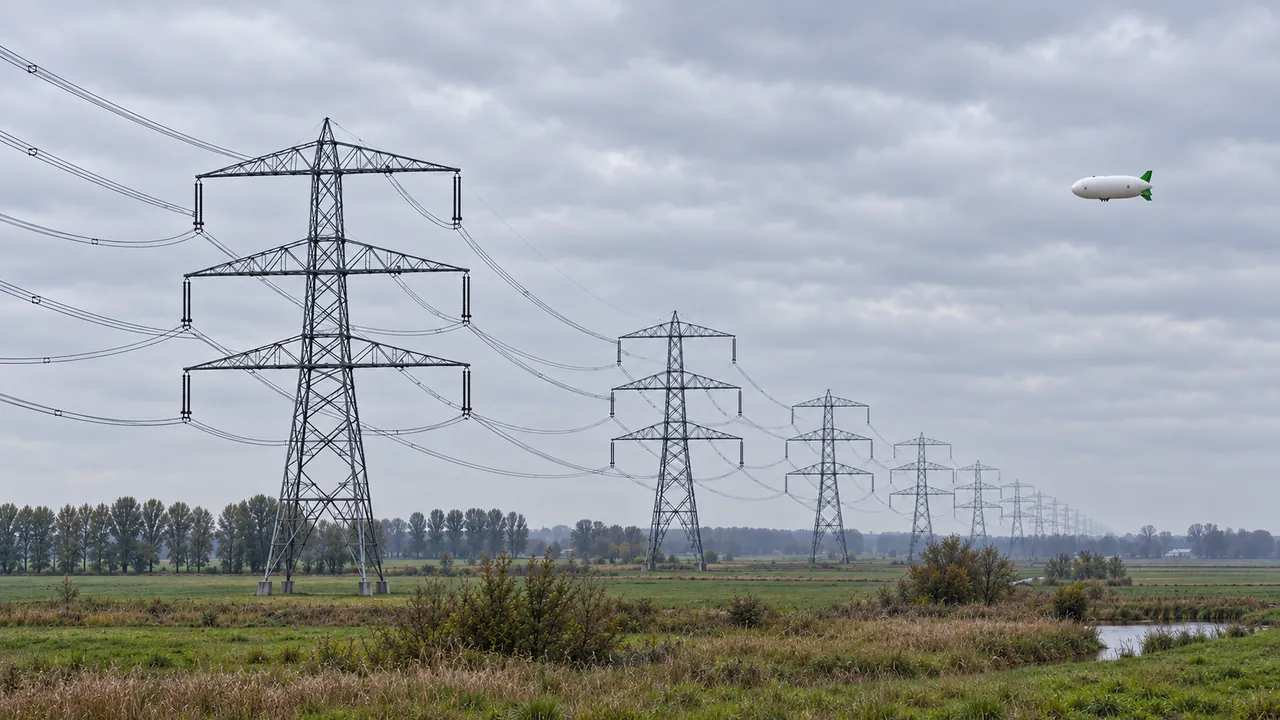
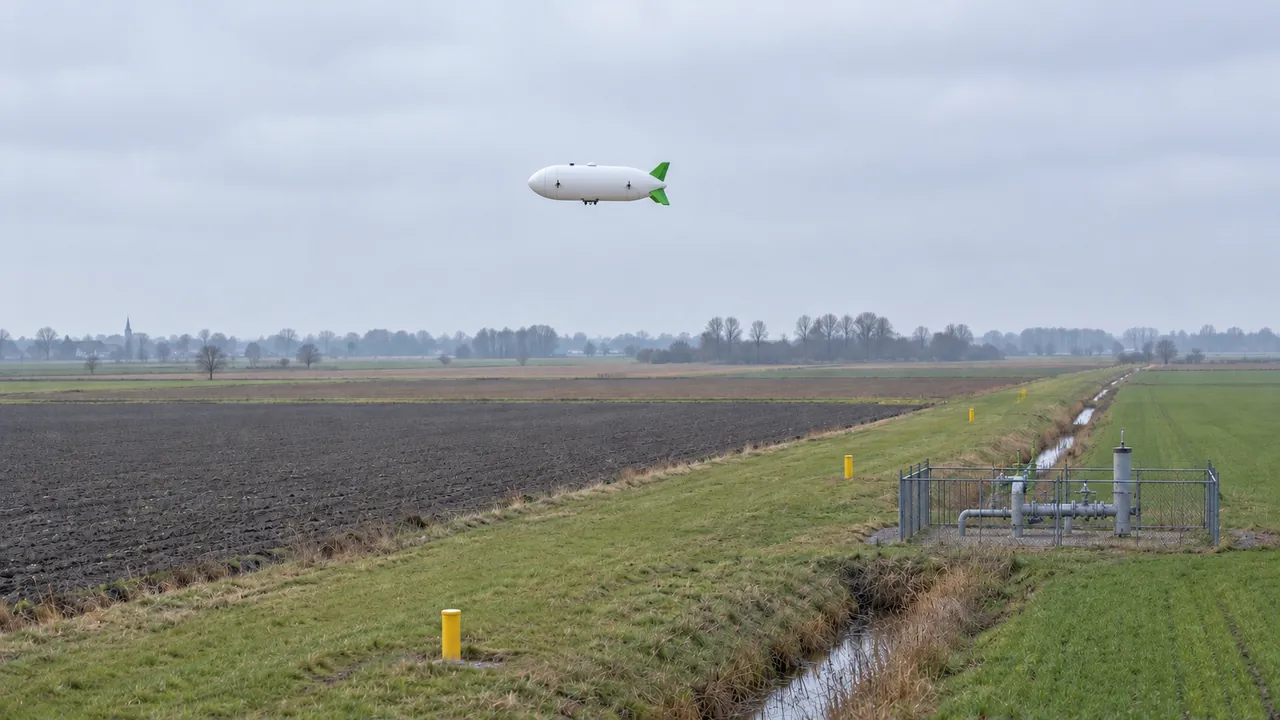
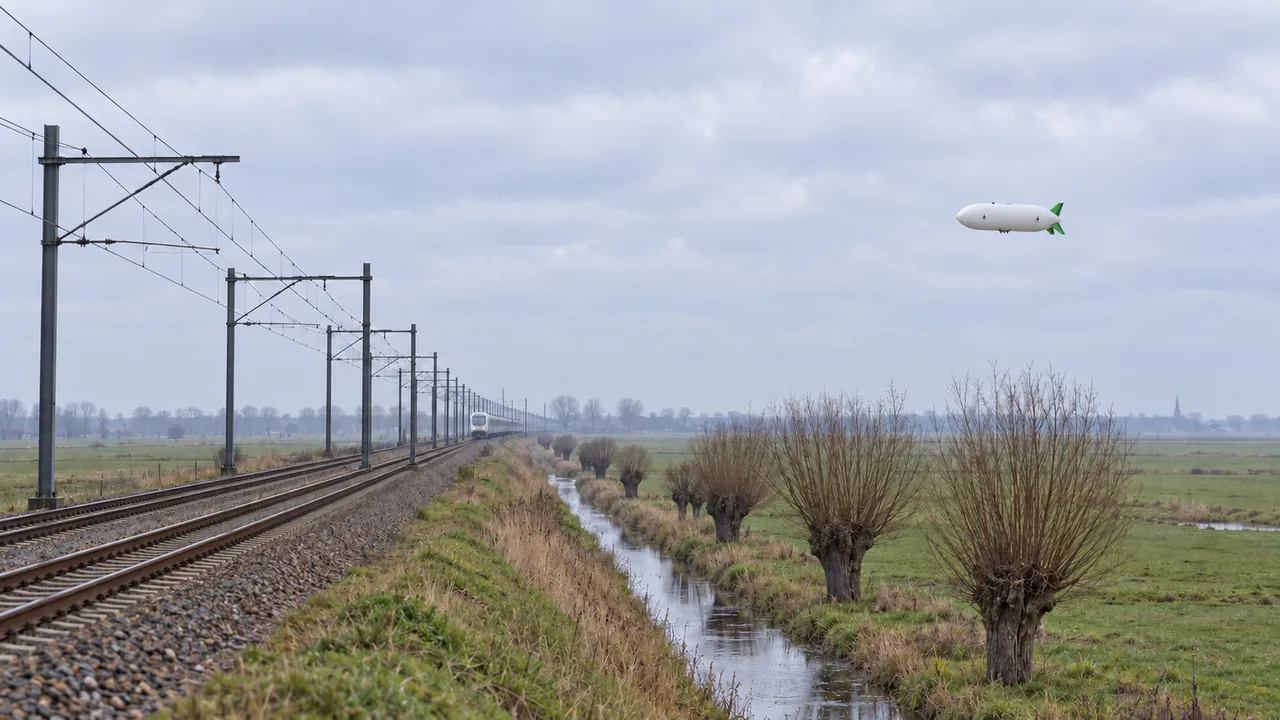
Grid lines, pipelines, dikes and rail corridors run for hundreds of kilometres. Today they are inspected in short sorties or by crewed helicopters.

Short flight time

A typical inspection drone flies about 45 minutes per battery. A long corridor becomes many short sorties, battery swaps and van moves.

Short radio range

Small drones stay within sight of the pilot and have no mass budget for a satellite terminal.

Noise and downwash

Rotors are loud, and their downwash mixes the air that gas and air-quality sensors need to measure.

Research on drone noise annoyance (Christian and Cabell, 2017)

Drones remain the right tool for short spot inspections. We build the airship as a partner platform for inspection operators on long routes.

The airship

One airship, built for long missions.

The X-11 combines a rigid carbon lattice frame, vectored-thrust propulsion and our own flight software in one platform for missions beyond visual line of sight.

VLOS and BVLOS

Why beyond visual line of sight matters.

VLOS

Visual line of sight

The remote operator keeps the aircraft in direct view, without binoculars, and flies it within a few hundred metres. In the EU open category no operational authorisation is needed.

Short-range work, typical of small inspection drones

BVLOS

Beyond visual line of sight

The airship flies further than the operator can see. It follows its planned route with the autopilot and Galileo positioning. Control runs over radio and 5G, with a satellite link as back-up, under a specific-category authorisation from the aviation authority.

X-11 · long corridors, hours on station

Explore the X-11 in detail

How a mission works

Planned on the ground. Flown automatically. Watched by a remote operator.

  1. 01

    Plan

    Define the route or site, the sensors and the time on station. Weather and airspace are checked in planning.

  2. 02

    Launch

    One or two people launch from a mobile mooring mast. No runway is needed.

  3. 03

    Automatic mission

    The airship flies the planned waypoints and holds station, inside a geofence and with failsafes.

  4. 04

    Live data link

    Sensor data and status stream over radio and 5G, with the satellite link as back-up where coverage drops.

  5. 05

    Recover

    The airship returns to the mast. Data is delivered in formats your GIS team already uses.

Automatic mission execution and the satellite link are part of the current development and test programme.

Technology

Rigid, vectored, space-enabled.

Rigid carbon lattice

A lattice of helical and hoop ribs holds the hull shape at any fill level. It splits into modules that travel on a trailer.

Simulated

Vectored thrust

Four propellers on rotating carbon tubes point their thrust forward, up or down, so the airship can climb, descend and hold position quietly.

Bench-tested

Space-enabled operations

Radio and 5G links with a satellite back-up, Galileo HAS and OSNMA for precise and authenticated position, and satellite weather data in planning.

Design spec

Look inside the airship

Programme progress

From design to flight, step by step.

Airframe, propulsion and flight software are in test. Next up: the sub-scale flight tests, then the X-11 build.

Build log
finite-element analyses run
389
Simulated
frame variants compared
245
Simulated
load cases passed by the selected frame
9
Simulated
vectoring propellers on rotating tubes
4
Bench-tested

Questions

Frequently asked.

What is Aerostatix building?

Rigid-frame unmanned airships that carry sensors for long inspection and observation missions. Our airship, the X-11, is designed for missions of 10+ hours beyond visual line of sight (BVLOS).

Design spec Link to this answer

What does "Never landing platform" mean?

It describes the goal: a sensor platform that stays over a route or site for as long as the job needs, instead of landing every 45 minutes to swap batteries. The X-11 is specified for 10+ hours; round-the-clock persistence is where the platform is heading.

Design spec Link to this answer

What do VLOS and BVLOS mean?

VLOS means visual line of sight: the remote operator keeps the airship in direct view, without binoculars, and flies it within a few hundred metres. BVLOS means beyond visual line of sight: the airship flies further than the operator can see, following its planned route with the autopilot, precise positioning and a data link, under an authorisation from the aviation authority. The X-11 is built for BVLOS missions along long corridors.

Link to this answer

Why an airship instead of drones, satellites or helicopters?

Buoyancy carries the weight, so the energy goes into moving rather than staying up. That allows hours on station with low noise and almost no downwash. Drones remain the better tool for short spot inspections. Satellites cover large areas with less detail and fixed revisit times. Helicopters are fast but crewed, loud and expensive per hour.

Design spec Link to this answer

How long can it stay airborne?

The X-11 is specified for 10+ hours on station. We publish measured values as the flight-test programme progresses.

Design spec Link to this answer

Is hydrogen safe? What about the Hindenburg?

Our airships are unmanned and hold a very small gas volume compared with the passenger airships of the past. The design separates the gas cells from avionics and ignition sources inside a rigid frame, and every step is tested with air and helium before any hydrogen flight. EASA Special Condition SC GAS (2022) is our design reference for flammable lifting gas.

Design spec Link to this answer

All 34 questions

Reserve your place in the launch series.

Non-binding. For organisations. About 3 minutes.